How to choose tape for collision repair vs. detailing
Masking, molding, and double-sided tapes serve different jobs — here is a practical guide for shop buyers.
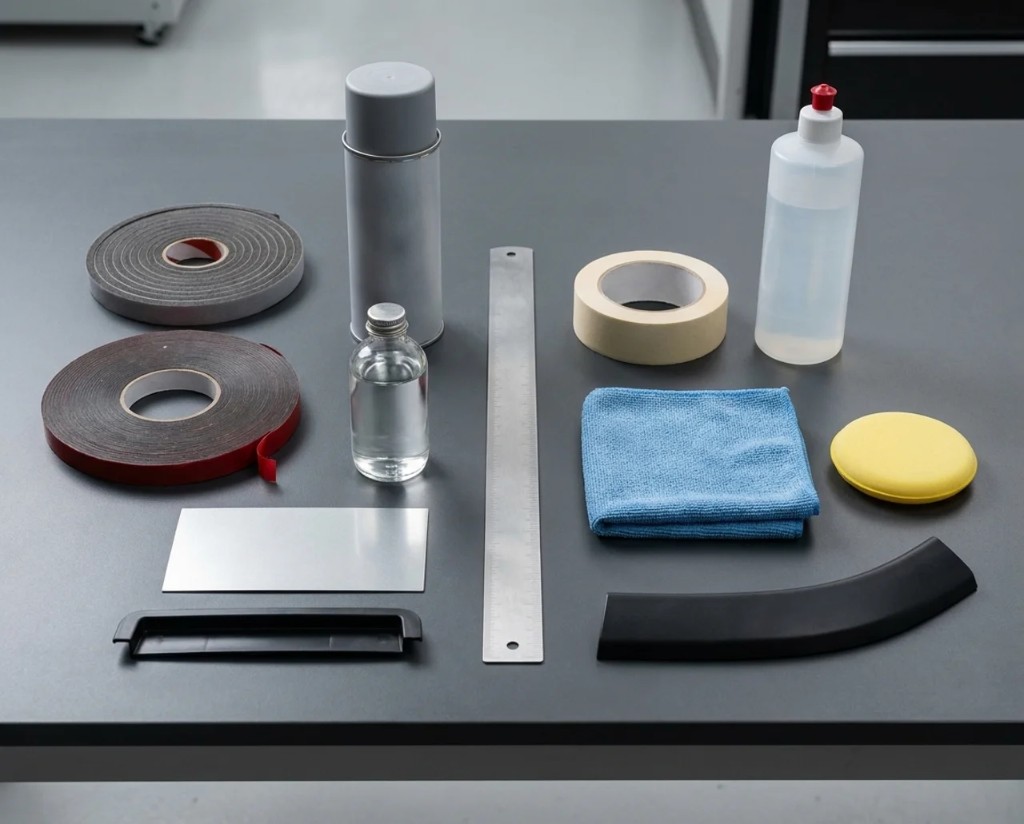
Tape is one of the most ordered categories in a bodyshop, but not every roll belongs on every job. Collision refinish and detailing bays often share a stock room — and mixing tape types leads to rework, bleed-through, or trim failure.
For collision masking, prioritize temperature-rated masking tape compatible with your bake cycle, plus fineline where graphics or tight edges matter. Adhesion promoter and flexible masking products belong in the prep stage before primer — not as substitutes for structural bonding tape.
Detailing and trim work call for different products: foam molding tape and VHB-style adhesives for emblems, low-tack masking for fresh clearcoat adjacent to trim, and dedicated double-sided lines rated for automotive substrates. Keep collision and detailing tapes in separate bins or labeled shelves so technicians grab the right roll under time pressure.
When in doubt, spec the tape your paint supplier recommends for the substrate and cycle — and keep one approved substitute on hand rather than a shelf of near matches.